

How to Live and Act Like a Local in Italy: A Guide for the Borderless Professional
 Robin OCW
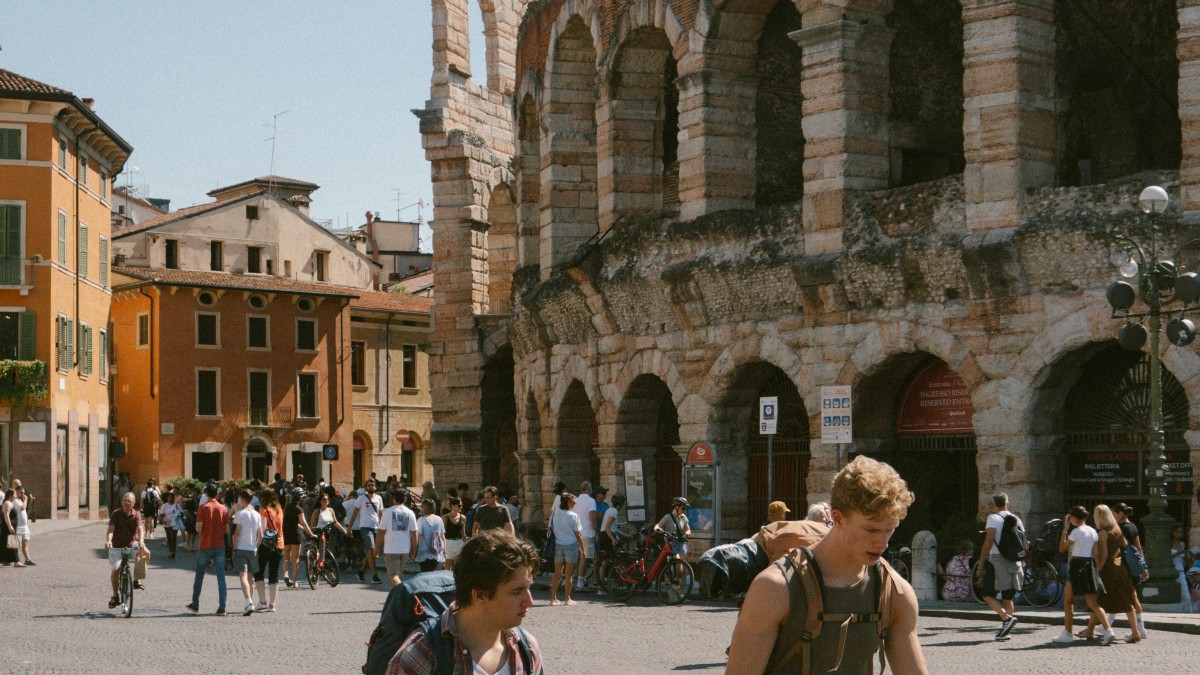
So, you’ve made the move. You’ve traded your fluorescent office lights for the golden hour of a Tuscan piazza or a sleek apartment in Milan. You have the remote job and the residency permit, but there’s still one problem: Everyone knows you’re a visitor the moment you open your mouth (or even before you do).
Living like a local in Italy isn't about where you live; it’s about how you navigate the daily rhythms of Italian life. If you want to stop feeling like an outsider and start feeling like a neighbor, you need to master the unwritten rules of the Bel Paese.
1. Master the "Rituals" of the Italian Bar
In most countries, a coffee shop is a place to sit with a laptop for four hours. In Italy, the Bar is a sacred social hub.
The Stand-Up Rule: Locals drink their espresso standing at the counter (al banco). It’s faster, cheaper, and where the neighborhood gossip happens.
The "Morning Only" Rule: If you order a Cappuccino after 11:00 AM, you’ve signaled to the entire room that you’re a tourist. Stick to Caffè (espresso) or Macchiato in the afternoon.
2. Understand the "Orari" (The Rhythms)
To act like a local, you have to respect the Italian clock. Many shops in smaller towns still close for riposo (afternoon break) between 12:30 PM and 4:00 PM.
The Professional Tip: Don't try to run errands during these hours. Instead, use this as your "Deep Work" block for your remote business, then head out when the town wakes back up for the Passeggiata.
3. The Power of "Fare la Bella Figura"
This doesn't just mean "dressing well." It’s an entire philosophy of making a good impression. It means being polite, well-presented, and respectful of local traditions.
The Linguistic Key: You don't need a PhD in Italian literature, but you do need "Social Italian." Knowing how to greet your portiere (doorman) or the person at the fruttivendolo with more than just a "Ciao" changes the way you are treated.
4. Why "Vacation Italian" Fails You
If you’re living in Italy long-term, you’ve likely realized that translation apps are clumsy for real life. To truly act like a local, you need to understand context.
How do you ask for a "regular" spot at the local cafe?
How do you politely decline an invitation without being rude?
How do you discuss your remote work with a local who doesn't understand "SaaS" or "Freelancing"?
This is the gap we bridge in the Il Dolce Vivere Italian Crash Course. We don't teach you how to pass a test; we teach you how to exist in Italy. We focus on the high-impact phrases and cultural cues that take you from "the person in the Airbnb" to "the professional who lives on the third floor."
5. Building Your Local "Tribù"
The ultimate sign of living like a local is having a "tribe." Italy runs on "who you know."
Join the Aperitivo: This is the golden hour for networking. Learn the social scripts for joining a table or starting a conversation.
Shop Small: Frequent the same small shops. In Italy, loyalty is rewarded with the best cuts of meat, the freshest produce, and—most importantly—inside information on the neighborhood.
Your Italy Launch Plan
Don't just move to Italy and hope for the best. Phase your transition:
Step 1: Use Clarity to Freedom to ensure your income stream is stable and remote-ready.
Step 2: Start the Il Dolce Vivere modules 30 days before you land. Focus on the "Settling In" vocabulary first.
Step 3: Land in Italy not as a visitor, but as a resident ready to thrive.
The "Sweet Life" is only sweet if you can understand the menu and the lease.
Categories: : Italian learning